By CodeScanTech ·
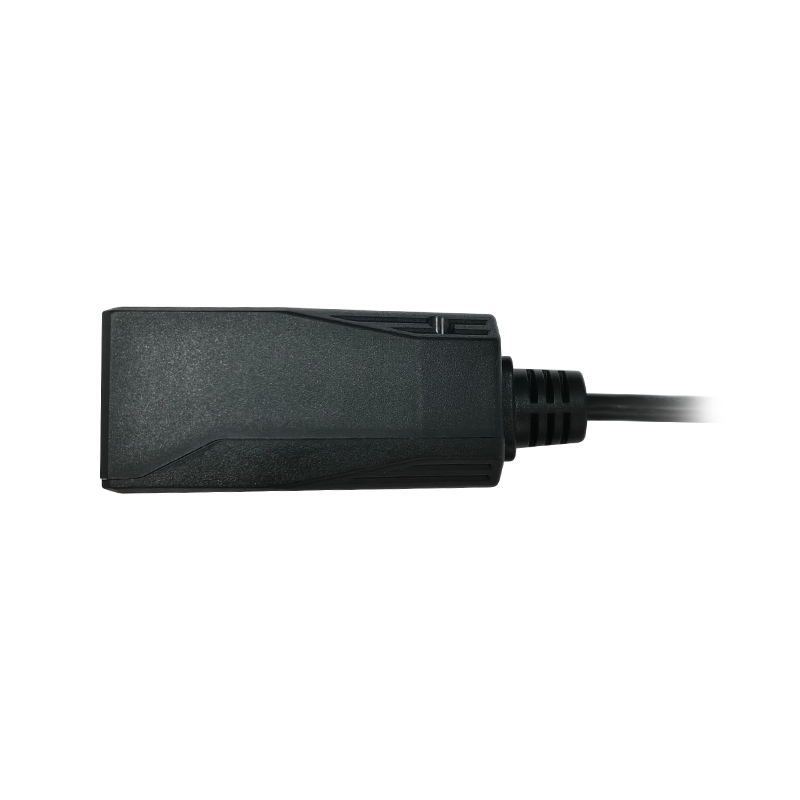
An effective customization request explains the problem to solve, not just the component to change. “We need a different cable” is a starting point; a host connector drawing, required signal level and cable-routing constraint make the request much easier to assess. The same principle applies to firmware, enclosures and branding.
Describe the application and desired outcome
State what your equipment does, who uses it and what barcode data must reach the host. Include sample codes, working distance, lighting and expected installation conditions. Distinguish mandatory requirements from preferences so that alternatives can be discussed without losing the project’s purpose.
If you are replacing an existing reader, describe the reason: space, availability, a new interface, changed labels or software behavior. A replacement with similar dimensions may still require different wiring or configuration.
Separate configuration from development
Some requirements may be met through supported settings; others may need firmware work, new mechanical parts or a different scanner model. Ask which category each change belongs to and how it will be validated. Do not assume that a setting offered on one product exists across the entire range.
The CodeScanTech OEM and ODM service overview describes the areas available for discussion, including firmware, cables, enclosures and branding. Feasibility and commercial terms depend on the requested configuration.
Prepare a compact technical package
- Mechanical: available space, mounting points, reading-window position and cable exit.
- Electrical: supply, connector, pin assignment, signal level and grounding requirements.
- Data: barcode formats, expected output, prefixes, suffixes and host commands.
- Workflow: trigger behavior, feedback, repeat-scan handling and restart behavior.
- Production: forecast quantity, sample needs, target schedule and approval responsibility.
Label drawings with revision identifiers. If information is provisional, mark it clearly so it is not treated as a frozen requirement. For interface terminology, refer to the USB, UART and RS-232 guide.
Make commercial questions explicit
Ask about sample costs, development charges, tooling where applicable, minimum quantities, lead times and ownership of project-specific deliverables. These are questions to agree for the project, not standard promises that should be assumed from the term OEM.
Also discuss what happens if a requirement changes after sample approval. A new cable, firmware build or enclosure revision may require renewed validation. Clear change control reduces confusion between what was quoted, tested and ordered.
Define what an approved sample means
Specify the configuration that will be tested: model, interface, cable, firmware settings and mechanical revision. Run the reader in the intended host system with representative labels. Keep results and agreed deviations with the approval record.
The OEM sample evaluation checklist covers the technical validation stage in more detail. This brief comes before that stage: its purpose is to make the proposed scope and acceptance criteria understandable.
Plan the production handover
Before a production order, confirm the final configuration, labeling, packaging and inspection requirements. Identify which documentation or configuration files the receiving team needs. Discuss traceability and future revision handling rather than assuming later units will be interchangeable without review.
Common customization questions
Do I need finished drawings to start?
No. An early brief can identify constraints and open questions. Final dimensions and electrical requirements must be agreed before the relevant design is approved.
Can I request only branding or cable changes?
Yes, those are valid topics to discuss. Share artwork or connector requirements and the expected quantity through the project inquiry form. Avoid sending passwords, live access codes or unrelated confidential data.